
Air Filters for Home; Breathe Cleaner And Healthier Indoor Air
Recent Posts

How Does a Diffuser Work and Why Home Owners Use Air Diffusers
How does a diffuser work inside a home air system? The diffuser controls airflow direction so the air spreads evenly instead of blowing in one spot.

How to Make A Basement Warmer With Heating, Vent Placement, and Insulation
How to make a basement warmer by sealing drafts, improving airflow, and adding heating. Keep winter temperatures comfortable and reduce chilly floors.

Air Filter for Allergens That Helps Reduce Dust and Pollen
Choosing the right air filter for allergens helps allergy sufferers reduce sneezing, congestion, and asthma symptoms caused by indoor air pollutants.
Signs of Poor Indoor Air Quality in Houses and Apartments
Signs of poor indoor air quality include headaches, fatigue, allergies, and nausea. See common symptoms, home warning signs, & when to test air quality.
As the world’s modernization progresses, so do the effects on the quality of the air outside. Smog, pollution, and allergens have now become a common problem. In addition, the air we breathe inside our homes has also become equally polluted. This alarming fact is due to several factors, including pet dander, dust mites, mold spores, volatile organic compounds, and even bacteria and viruses.
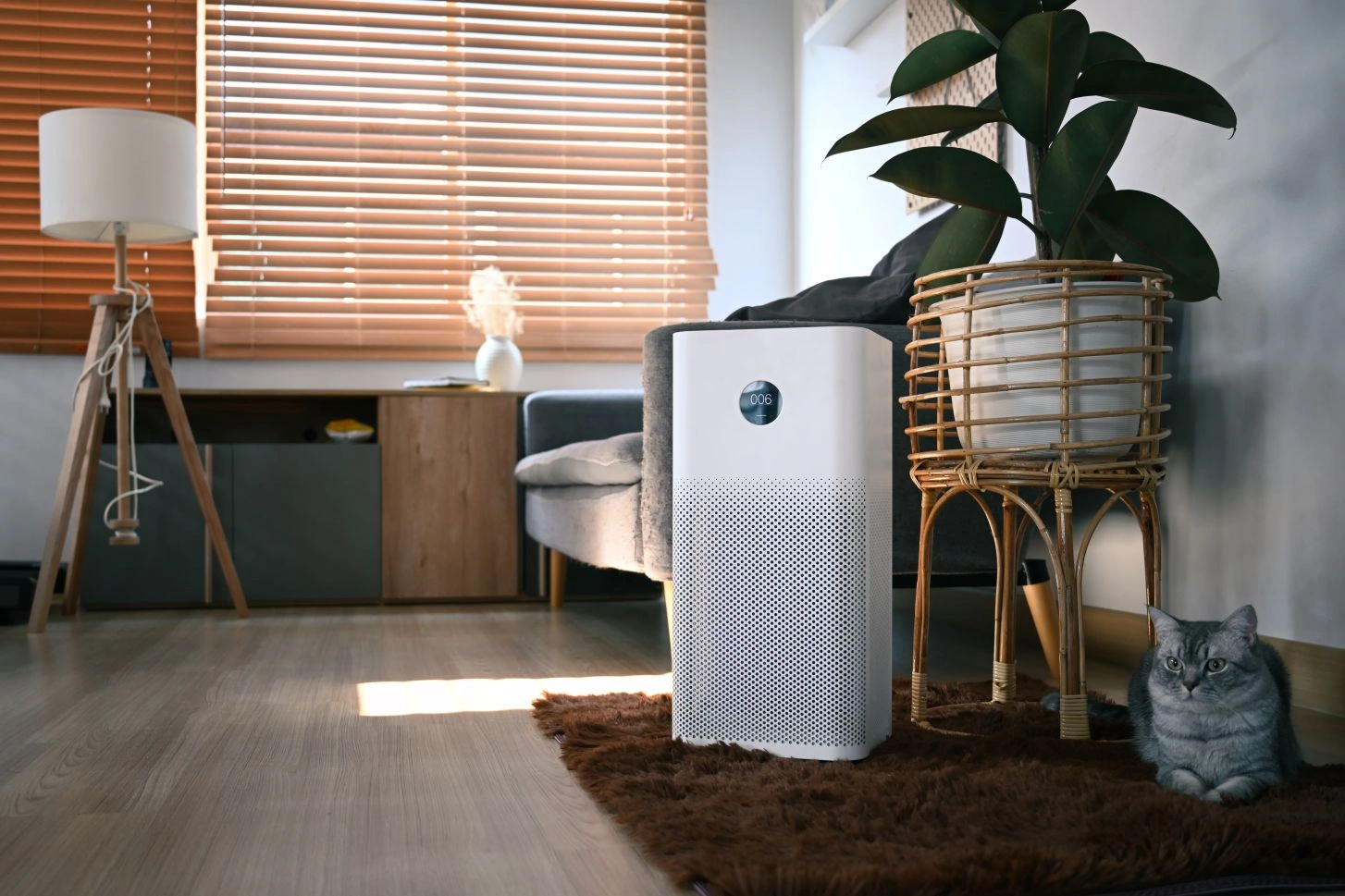
To manage the air we breathe inside our homes, the most efficient and proven solution is air filters. Notably, HVAC systems and air purifiers are a defense against the hosts of indoor air contaminants. And if you have the best air filters for home installed, rest assured, your home’s air is safer to breathe in.
Problems with Indoor Air Quality
Before knowing about air filters, it is important to understand what pollutants your home is dealing with. There is a complex mix of dead skin cells, pet dander, insect parts, and microscopic debris. Dust mites, microscopic arachnids that feed on this debris, can trigger powerful allergic reactions.
Mold spores, which thrive in damp environments, can cause respiratory issues and other health problems. Also, VOCs are released from common household items like paint, furniture, and aerosol sprays may result in bad air.
Role of Air Filters in Homes
Just as your lungs filter the air you breathe, similarly air filter traps airborne particles before they circulate in your home. Several air filter types capture particles based on their size and prevent them from blowing back into your living spaces.
The effectiveness of an air filter is measured by a standard called the Minimum Efficiency Reporting Value, or MERV rating. This rating, which ranges from 1 to 20, indicates how well a filter can capture particles of different sizes.
MERV 1-4
These are basic, disposable fiberglass filters. They are effective at trapping large particles like dust and lint, but offer minimal protection against smaller allergens. However, they protect your HVAC system but do little for your indoor air quality.
MERV 5-8
These filters are more reliable indoor air quality solutions, as they are a step up from MERV 1-4. They can capture smaller particles, including pollen, mold spores, and pet dander. Significantly, they maintain a good balance between cost and efficiency for most homes.
MERV 9-12
These filters are significantly more efficient. They are capable of trapping finer particles, including Legionella bacteria, car emissions, and some types of viruses. Moreover, they are a great choice for households with allergy sufferers or respiratory sensitivities.
MERV 13-16
One of the best air filters for home, including high-efficiency filters often used in hospitals and commercial buildings. They can capture even smaller particles, including bacteria and most viruses. However, they may restrict airflow in some older or less powerful residential HVAC systems.
MERV 17-20
These are HEPA (High-Efficiency Particulate Air) filters. They are the gold standard for air filtration and are capable of trapping 99.97% of particles. In addition, they also clean rooms and surgical environments, but are generally too dense for standard home HVAC systems.
The Different Types of Air Filters
Beyond the MERV rating, air filters come in a few different forms, each with its advantages. These include:
Fiberglass Filters
These are the most common and least expensive options. They are a MERV 1-4 filter and are primarily designed to protect the HVAC system from large dust particles. In addition, they need to be changed frequently, often every month.
Pleated Filters
Being one of the popular filters with pleats that increases the surface area of the filter. This allows for capturing more particles without restricting airflow. They typically have a MERV rating of 8-13 and should be replaced every 3 months.
Reusable Filters
Reusable filters are typically ones that are also known as washable air filters. They are an environmentally friendly option, but their effectiveness can vary. In addition, they require regular cleaning to prevent mold or bacterial growth. They typically have a MERV rating in the lower to middle range.
Electrostatic Filters
Another one of the best air filters for home as they uses static electricity to attract and trap airborne particles. Some are disposable, while others are reusable. Moreover, they can be very effective, but the static charge can diminish over time, reducing their efficiency.
HEPA Filters
As mentioned, these are the pinnacle of air filtration. While they are not suitable for most central HVAC systems, HEPA-certified air purifiers are an excellent investment for individual rooms. These often include bedrooms, home offices, or living areas where you spend a lot of time.
Wrap Up
Investing in quality air filters for your home is one of the most impactful ways to improve overall well-being. It is a small, inexpensive decision that delivers significant returns in the form of cleaner air. In addition, you get fewer allergy symptoms and a more comfortable living space. Therefore, don’t let your home’s indoor air quality be an afterthought. Take control and breathe a little easily.
Why Choose Airflow Fixer?
Airflowfixer.com is your go-to option for improving indoor air quality, as we specialize in maintenance, replacement, and installation of humidifiers, purifiers, and complete systems. Our experts on standby aim to resolve issues fast, whether it is a broken duct or poor air quality. We understand health cannot be compromised. Therefore, we bring in the best to make your home energy-efficient.
FAQ's
What type of air filter is best for home use?
The best type of air filter for home use is one that balances effective filtration. It must include a proper airflow for your specific HVAC system. For most homes, a pleated filter with a MERV rating of 8-12 is the ideal choice. Filters in this range are highly effective at trapping common allergens.
How often should I replace my home air filter?
The frequency with which you should replace your home air filter varies. For most pleated filters is every 90 days. However, if you have pets, allergies, or an older HVAC system, you should consider changing it more frequently. Notably, high-efficiency filters can last up to six months.
Do air filters improve indoor air quality?
Yes, air filters significantly improve indoor air quality by trapping airborne contaminants. These filters, whether in either a central HVAC system or a standalone air purifier. They work by pulling in air and using a fibrous medium to capture particles. These might include dust, pollen, pet dander, mold spores, and even some bacteria and viruses.