
Ductless Air Conditioner: Secret to Even Comfort in Every Room
Recent Posts

How Does a Diffuser Work and Why Home Owners Use Air Diffusers
How does a diffuser work inside a home air system? The diffuser controls airflow direction so the air spreads evenly instead of blowing in one spot.

How to Make A Basement Warmer With Heating, Vent Placement, and Insulation
How to make a basement warmer by sealing drafts, improving airflow, and adding heating. Keep winter temperatures comfortable and reduce chilly floors.

Air Filter for Allergens That Helps Reduce Dust and Pollen
Choosing the right air filter for allergens helps allergy sufferers reduce sneezing, congestion, and asthma symptoms caused by indoor air pollutants.

Signs of Poor Indoor Air Quality in Houses and Apartments
Signs of poor indoor air quality include headaches, fatigue, allergies, and nausea. See common symptoms, home warning signs, & when to test air quality.
Every room of the house may require different cooling needs and spacing. During hot summer days, some areas of your home may feel too warm while others stay cooler than desired. Traditional air conditioners often fail to maintain an even temperature, leaving you adjusting settings without finding the balance.
A ductless air conditioner, also known as a mini-split system, offers a modern solution to this problem. By delivering cool or warm air directly into each room without relying on ductwork, it provides consistent comfort, improved energy efficiency, and personalized climate control for every space.
This blog explores how a ductless air conditioner works to keep every room in your home comfortable.
What Is a Ductless AC System?
A ductless air conditioner, commonly known as a mini-split, does not rely on ducts to distribute cool or hot air around your home. It comes with an outdoor compressor along with one or more indoor units connected by refrigerant tubes. Ductless ACs are more energy efficient and provide zone-specific climate control for even comfort throughout your home.
Ductless heating and cooling systems consist of two components:
1. An Indoor Unit
Mounted on the wall or ceiling within your room.
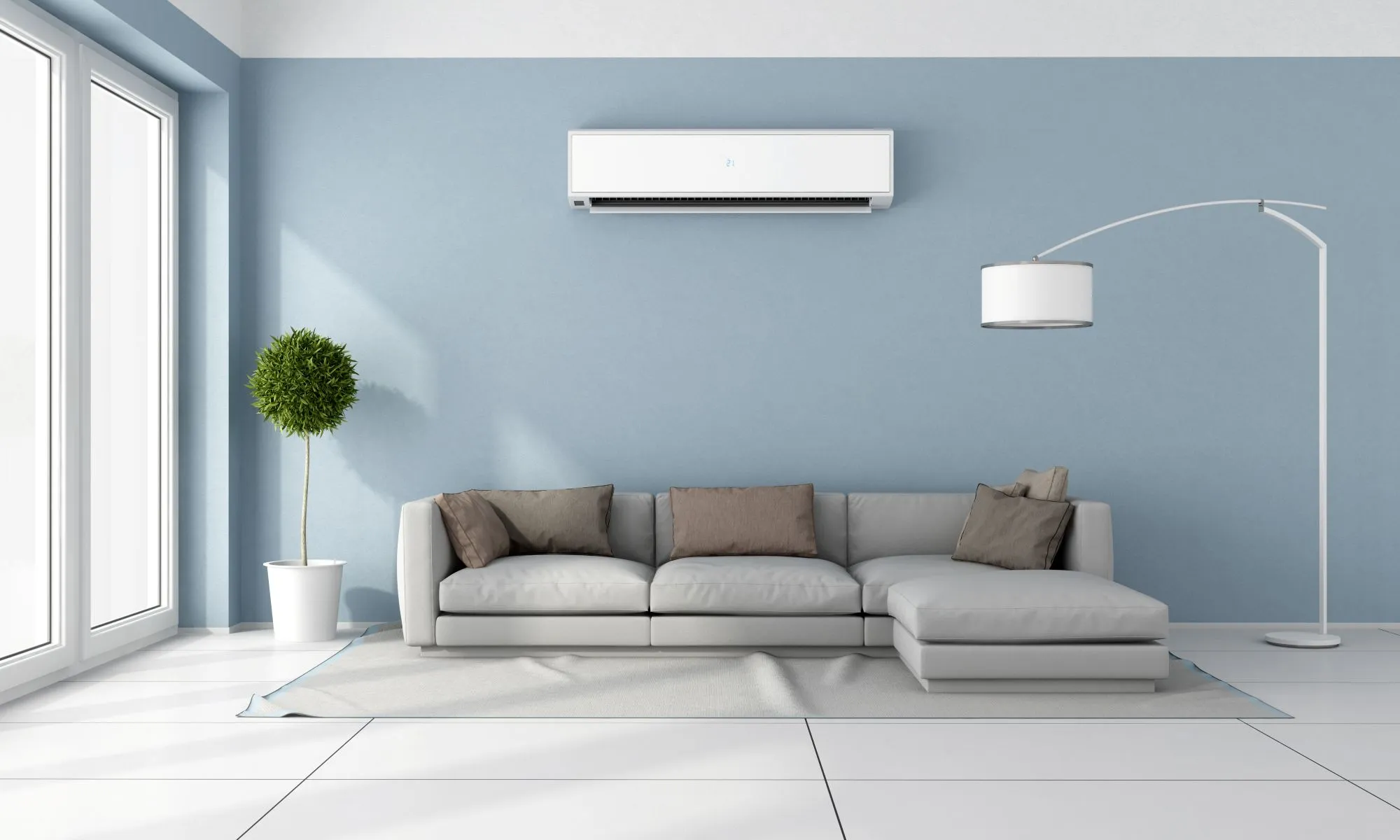
An Outdoor Unit
Located on a concrete pad or wall bracket outside your home.
A small line runs between the two units. This line transports the refrigerant, which absorbs and releases heat. Thus, together, they cool or heat your room.
How Does Ductless AC Work
A ductless AC operates involves a straightforward working mechanism. Next is a detailed explanation of the functionality of ductless heating and cooling systems.
Warm Air is Drawn in by the Indoor Unit
Every unit is equipped with a fan and an evaporator coil. When the system is operational, the unit’s fan draws in the warm air of the room and lets the air flow over the evaporator coil. The coil of the refrigerant is positioned above the coil. The refrigerant absorbs the heat of the air as it passes over the coil.
The Warm Air is Sent Outside
Through the indoor air handler, air is heated, and warm gas is formed, which is then sent through a copper line to the outdoor unit. It is the outdoor unit’s responsibility to release the gathered heat. The fan blows air over the hot refrigerant gas, helping to release the heat and convert the refrigerant back to a liquid.
Air is Returned to the Room
After the gas has cooled sufficiently, it is sent back to the indoor unit. The indoor fan then blows the cooled air into the room and lowers the temperature until it reaches the temperature set by the user.
Heating Mode (if Available)
Heat pumps are also ductless systems. During the winter, the refrigerant flow reverses, extracting heat from the outside and moving it indoors to keep your home warm. This makes ductless systems useful all year round.
Parts of a Ductless AC
How does ductless AC work? Through a combination and collaborative working of the following:
- Indoor Air Handler (Evaporator): Mounted in the room, it blows cool air directly into it.
- Outdoor Condenser (Compressor): Located outside, it releases heat that was absorbed from indoors.
- Refrigerant Lines: Copper tubing connects the indoor and outdoor units, and lets refrigerants move back and forth.
- Drain Line: Collects moisture and removes it during cooling.
- Remote or Smart Controller: Allows you to change the temperature of each room separately.
Each indoor unit operates independently. This means you can set different temperatures for different rooms. This is a major benefit of going ductless.
The Reasons that Ductless AC is Preferred
Ductless AC units allow you to enjoy the comfort of zoned climate control. Instead of having your home temperature regulated by central air conditioning systems (which centralize the cooling process), you can control the temperature of each room separately. Here’s how:
Custom Temperature Control
Every indoor unit has its own thermostat. This means one person can enjoy a cooler bedroom while another keeps their room a bit warmer. No more arguing over the thermostat.
No Air Loss Through Ducts
Streamline traditional units’ energy loss, as they lose 30% of energy through leaks and gaps. Since a ductless AC doesn’t use ducts, all cooled or heated air goes directly into the room. This leads to better efficiency and consistent comfort.
Even Air Distribution
Ductless systems use improved air control technology or advanced inverter technology, which automatically adjusts cooling output. Ductless air control technology ensures even air distribution, eliminating hot and cold spots while keeping your indoor environment perfectly balanced.
Quiet Operation
Since the compressor unit is fitted outside, all the loud system noises stay outside the walls. Hence, you can enjoy peaceful comfort. Ideal for beds, offices, and libraries.
Benefits of a Ductless AC System
Ductless air conditioners also have other benefits besides providing comfort for your rooms.
Energy Efficiency
Ductless systems have compressors that adjust to the cooling demand. Consequently, there no wastage of energy and your electricity bills will also be cheaper.
Energy Installation
Installing a traditional HVAC system requires major ductwork, which can be time-consuming and costly. Ductless AC installation is much simpler; it only needs a small hole in the wall for the refrigerant and drain lines. Most installations can be completed in a single day.
Flexible Design
Ductless systems can be adapted to mass cool or heat varying for a whole home, a single room, or new home additions. Furthermore, units and their fitting depends on your preferences.
Improved Air Quality
Older, traditional systems can gather allergens, dust, and even mold. A ductless system rules out these chances. Moreover, ductless system models offer multi-stage filters that clean and refine air to make it healthier to breathe and promote wellness.
Year-Round Comfort
Ductless systems also serve as heat pumps and offer a multi-function system which allows you to enjoy heating in winter and cooling in summer, providing you with comfort all year round.
Where Ductless Systems Work Best
Ductless air conditioners can be used in different environments, such as:
- Houses that do not have duct systems
- Older homes where installing ducts is impractical
- Home additions or remodels
- Garages, basements, and attics turned into living spaces
- Multi-family units or apartments
- Offices and small commercial spaces
In short, if you need effective and independent climate control in particular zones, a ductless AC is an excellent choice.
Tips for Maintaining Performance Over Time
Your ductless AC will need maintenance to keep it from system failure.
- Cleaning of the Filters: to avoid obstruction of airflow, wash or change the filters once a month.
- Wiping of the Indoor Unit: keep the indoor unit and surface clean to prevent dust buildup.
- Checking the Outdoor Unit: Debris of any kind, such as leaves, needs to be removed from around the condenser.
- Scheduling of Professional Maintenance: Once a year, call a technician check the overall system performance, including refrigerant levels.
Your regular maintenance will allow your ductless AC system to function efficiently, prevent system failure, and extend lifespan.
Wrap Up
A ductless AC system provides a contemporary, practical, and flexible alternative to ensuring comfort in every room of your home. By offering direct, adjustable cooling (and heating), it eliminates the need for ductwork. Hence, homeowners gain control over comfort and energy consumption.
A ductless mini-split system will serve you well whether you’re upgrading an old air conditioner or cooling a new area. With a combination of efficiency, performance, and ease of use, a ductless mini-split system is a great choice. Its rising popularity is due to the system’s ability to operate quietly, install easily, and control temperature precisely.
Trust Air Flow Fixer for Reliable Ductless AC
At Air Flow Fixer, our certified HVAC technicians wear protective masks and helmets to ensure safety while delivering expert AC maintenance. We specialize in ductless systems, installing advanced dust filters to improve air quality and efficiency. With years of trusted service, we help you keep cool, feel comfortable, and enjoy lasting performance all year round.
FAQ's
What makes a ductless air conditioner different from central AC?
A ductless air conditioner doesn’t use ducts to distribute air. Instead, it delivers cool or warm air directly into each room through wall-mounted indoor units. This allows for zoned temperature control and better energy efficiency compared to central AC systems.
Can a ductless air conditioner also provide heating?
Yes. Many ductless systems have heat pumps, meaning they can both cool and heat your home by reversing the refrigerant flow, providing year-round comfort in one unit.
Is a ductless AC system worth the investment?
Absolutely. Though the initial cost can be higher, ductless systems offer long-term savings through lower energy bills, customizable comfort, quiet operation, and easy installation, making them a smart and efficient choice.