
Signs of Poor Indoor Air Quality in Houses and Apartments
Recent Posts
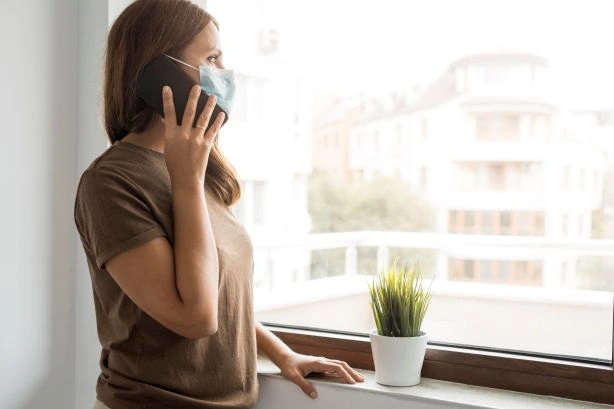
Signs of Poor Indoor Air Quality in Houses and Apartments
Signs of poor indoor air quality include headaches, fatigue, allergies, and nausea. See common symptoms, home warning signs, & when to test air quality.
What Is Geothermal Heating and Cooling, and How Home Systems Work
Geothermal heating and cooling uses stable ground temperatures to heat and cool homes efficiently. See how systems work, costs, savings, and climate fit.
How to Use a Dehumidifier Without Over-Drying or Wasting Energy
How to use a dehumidifier safely, including correct humidity settings, continuous use guidelines, and tips to prevent dry air and excess energy use.
What Is HVAC? A Beginner-Friendly Breakdown of HVAC Systems
Recent Posts Schedule Your HVAC Repair Today Comfort is Just a Click Away! Contact Us need any help ? Call Us +1 (855) 937-2821 Email
Most people think outdoor pollution is the biggest health risk. However, indoor air pollution can be even worse. Therefore, poor indoor air can seriously affect your health.
Moreover, many people do not realise that harmful pollutants exist inside their homes. Dust, mold, chemicals, and poor ventilation can damage indoor air quality. Because of this, it is important to understand the signs of poor indoor air quality and health warning symptoms.
In this blog, we will discuss the symptoms of bad indoor air quality, related health issues, and simple ways to detect indoor air pollution.
What Is Indoor Air Pollution?
Before determining Signs of Poor Indoor Air Quality in Houses and apartments, it is important to define what indoor air pollution is. Indoor air pollution takes place when noxious particles pollute the air within the structures. These pollutants can be dust, mold, smoke, chemicals, cleaning products, and building materials.
In addition, poor ventilation often makes the problem worse. Moreover, when fresh air cannot circulate properly, pollutants remain trapped indoors. As a result, the air becomes unhealthy to breathe. Over time, these pollutants create signs of indoor air pollution that can affect your comfort and health.
What Are The Common Signs of Poor Indoor Air Quality
Identifying the signs of poor indoor air quality in houses and apartments will allow you to resolve issues at an early stage. In fact, there are a lot of warning signs that manifest in the house and in your health.
Allergies and Sneezing
Sneezing and nasal congestion could be regular occurrences that may be symptoms of poor air quality. Therefore, dust mites, pollen, and pet dander often cause these problems.
Moreover, in case indoor allergies are aggravated, this is a sign that your house could be polluted in spite of its appearance. Therefore, these are typical symptomatic air quality conditions that are unhealthy.
Persistent Headaches
Indoor pollution is a cause of headaches for many people. Moreover, these symptoms may be caused by chemical fumes, poor ventilation, and dust particles. Usually, the pain fades away as you get out of the house. Therefore, this shift could signify poor air quality indicators within your home.
Difficulty in Concentrating and Fatigue
Low air quality has the ability to influence energy levels. Air pollution minimizes oxygen in the body. Consequently, people start to feel fatigued or lack concentration indoors. Thus, these are typical symptoms of air pollution.
Nausea and Dizziness
The question many people ask is: Does bad air quality make you feel nauseated? Indeed, polluted indoor air can lead to nausea and dizziness. Strong chemicals, mold, and carbon monoxide can cause these symptoms.
Musty or Unpleasant Odours
Another sign of danger is musty smells. Mold, moisture, and trapped pollutants usually cause musty smells. Therefore, these scents tend to indicate severe signs of indoor air pollution in the houses.
Signs You Have Poor Air Quality in Your Home
Besides health symptoms, there are a number of signs that can tell you that you are experiencing poor air quality in your home.
Excessive Dust
Poor ventilation may be caused by dust collection on furniture. Dust particles usually contain allergens and pollutants. Furthermore, in case dust comes back within a short time after cleaning, indoor air quality can be poor.
Mold Growth
One of the worst indoor air pollutants is mold. Kitchens, bathrooms, and basements are usually damp. Therefore, this is the cause of the growth of mold. Moreover, mold can worsen air quality and make breathing difficult.
High Humidity Levels
Condensation on the windows usually indicates excessive humidity. Moreover, poor humidity promotes the growth of mold and bacteria. Therefore, moisture issues have significant implications for poor indoor air quality.
Stuffy or Heavy Air
There can be stale or uncomfortable rooms. This usually takes place in poorly ventilated houses. As a result, stale air means there is an indication of the trapping of pollutants and insufficient airflow.
Health Symptoms of Bad Air Quality
Health symptoms are often the clearest warning signs. In many cases, these symptoms of bad air quality may appear gradually.
Common air pollution symptoms include
- Constant cough or sneezing
- Eye irritation
- Dry throat
- Shortness of breath
- Headaches
- Fatigue
Notably, these symptoms of poor air quality often worsen indoors. However, they improve when you spend time outside.
How to Check Air Quality in Your House?
Most homeowners are curious to know how to test the air quality in their houses. Fortunately, there are a number of techniques that are effective.
Use an Indoor Air Quality Monitor
An indoor air quality monitor is a device that is used to detect pollutants in your house. Moreover, the machines monitor the dust levels, humidity, and carbon dioxide concentrations. Therefore, indoor air conditions are well monitored with the use of monitoring devices.
Perform Air Quality Tests
Hidden pollutants in the air, like chemical gases and mold spores, are detected by professional air quality tests. As a result, these tests can be used to find the sources of pollution in a short time.
Consult Air Quality Experts
Qualified air quality specialists would be able to visit your residence and test ventilation networks. Moreover, they tend to prescribe remedies to enhance air circulation and minimize contaminants.
How to Improve Indoor Air Quality?
After finding out The Signs of poor indoor air quality in Houses and apartments, you need to do something about that.
Improve Ventilation
Always open the windows to breathe in fresh air. This way, it reduces indoor pollutants by ensuring that there is good airflow.
Use Air Purifiers
Air cleaners clean up dust, allergens, and other harmful particles in the air.
Control Indoor Humidity
Keep the humidity at a range of 30–50 percent. As a result, the development of mold is not possible even with humidity.
Clean Your Home Frequently
The dust and allergens are swept regularly. Additionally, wipe down carpets and vacuum.
Select Environmentally Friendly Products
Many cleaning agents release toxic elements. Therefore, the best cleaning products improve the interior air quality.
Why Choose Airflow Fixer?
At Airflow Fixer, our certified HVAC technicians provide reliable service with expertise, proven experience, and trusted support. Moreover, our advanced solutions boost system efficiency, lower energy costs, and keep your home comfortable all year round. As a result, families enjoy healthier air and a safer, more comfortable living environment.
Why Indoor Air Quality Matters
Health has a lot of contributions to the quality of indoor air. Over time, long-term indoor pollution may have consequences for allergy and respiratory problems. Kids, adults, and asthmatic people are affected more. Because of this, you need to know the signs of poor indoor air quality in houses and apartments as a way of keeping you and your family safe.
Final Thoughts
Most people at home do not pay much attention to indoor air pollution until they start experiencing health issues. Nevertheless, major risks can be avoided by early detection.
Learning the signs of poor indoor air quality in houses and apartments enables you to find out the issues quickly.
Therefore, look out for poor air quality signs, odd smells, mold, and dust. These indications usually expose concealed pollutants. Moreover, discover how to monitor air quality in your home with monitors or air quality testing by professionals.
Lastly, air quality experts should be consulted in case indoor pollution does not stop. Ultimately, a healthier and safer home environment is achieved with clean indoor air.
FAQ's
What are the signs of poor indoor air quality?
Common signs include coughing, sneezing, headaches, fatigue, and allergy flare-ups. These are unhealthy air quality symptoms.
How do I know if I have poor air quality in my home?
Look for dust, mold, musty odours, and frequent allergy symptoms. These signs of indoor air pollution indicate problems.
Can bad air quality make you nauseous?
Yes, poor air can cause nausea, dizziness, headaches, and other air pollution symptoms.
How can I check air quality in my house?
You can use an indoor air quality monitor, perform air quality tests, or consult air quality experts.
What is indoor air pollution?
Indoor air pollution happens when harmful particles like dust, chemicals, or smoke pollute the air, causing symptoms of poor air quality.